


SEF to Help Build Alliance Focused on Public School Students
SEF intends to help build an alliance of scholarship granting organizations to ensure public school students can benefit from opportunities created by the new Federal Scholarship Tax Credit.
Learn More

Webinar: Public School Students First
Join SEF for a webinar where we will share what we know about the new federal tax credit program; what it could mean for students, families, and districts; and the important role states can play in shaping who benefits.
Register for the Webinar

The Child Care Challenge Beyond Back-to-School
Discover a new report grounded in the voices of families, educators, providers, employers, and community leaders. Explore practical recommendations to strengthen rural child care and better support families across the South.
Read the Report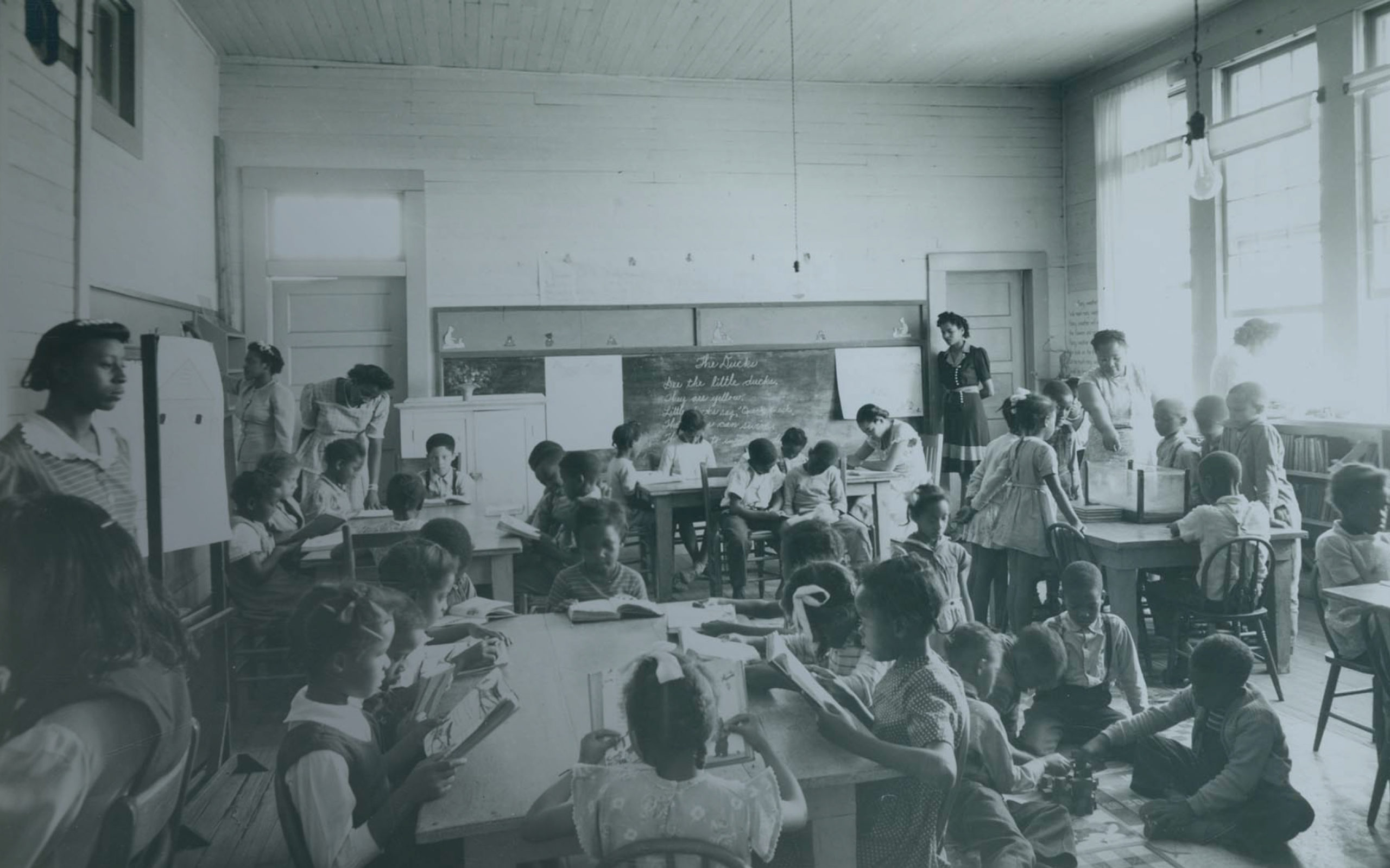
Building on 159 years of educational leadership
The Southern Education Foundation is a research, policy, advocacy and leadership development organization that works to advance education opportunity for underserved students.
Founded in 1867 as the Peabody Fund, we are a 501(c)(3) nonprofit organization committed to advancing more equal education policies and practices, especially for students of color and from low-income families. Today, we also provide direct services for educators, school districts, and states.